 |
 |
 |
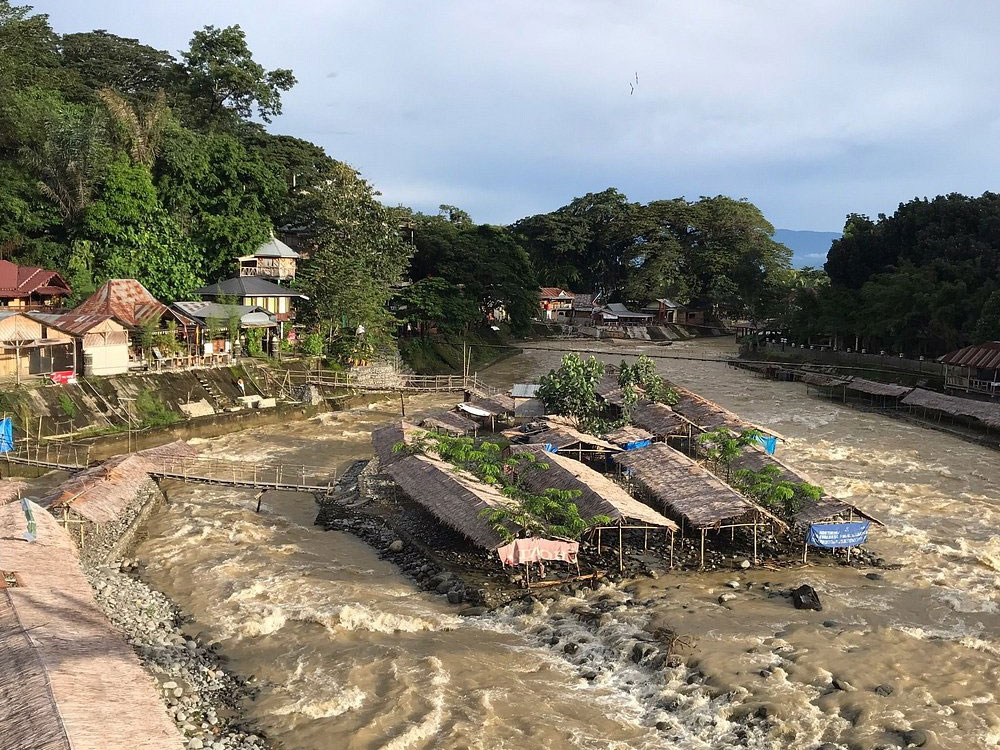 |
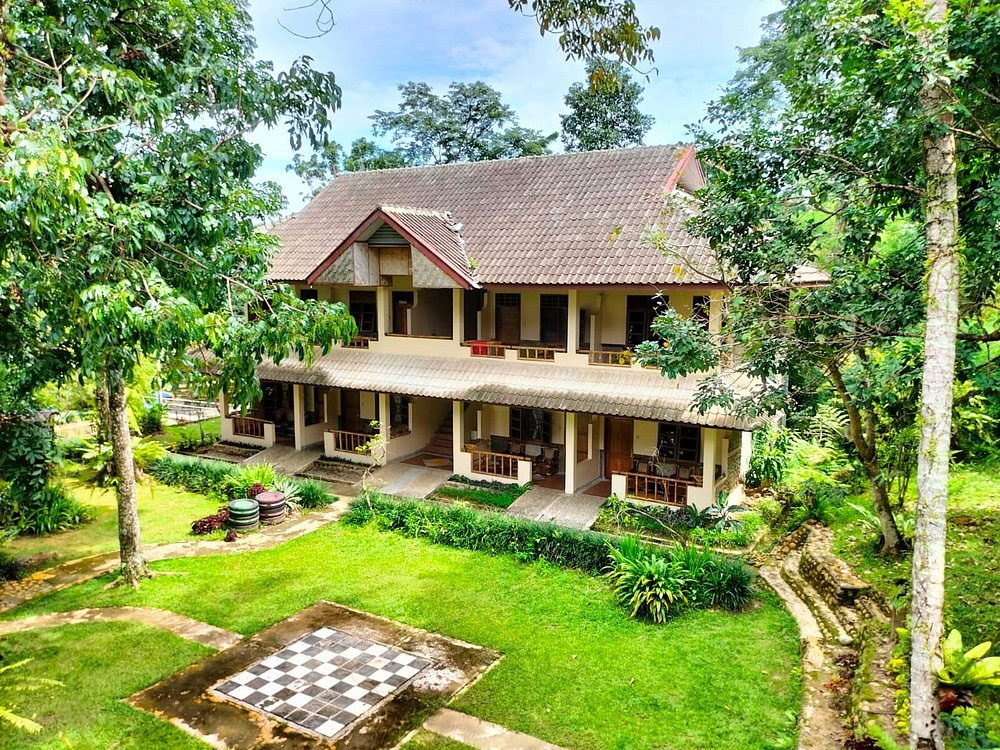
Bukit Lawang is a peaceful village in the province of North Sumatra. The location is a main access point into the green heart of Sumatra: the Leuser Ecosystem. You will have the unique chance to view rehabilitated and wild orangutans in a guided tour through the lush forests of the region. Staying in the Ecolodge Bukit Lawang is not only a unique experience but also a personal statement in support of sustainable tourism. The facility provides an unprecedented opportunity to be immersed in North Sumatra’s unique rainforest environment while directly contributing to the conservation of the critically endangered Sumatran orangutan – with proceeds donated to the Sumatran Orangutan Conservation Programme. The Ecolodge Bukit Lawang was established to complement and serve as an outlet for the activities of the Bohorok Environmental Education Centre. Herein we aim to increase awareness towards biodiversity conservation and the implementation and management of proper ecotourism.
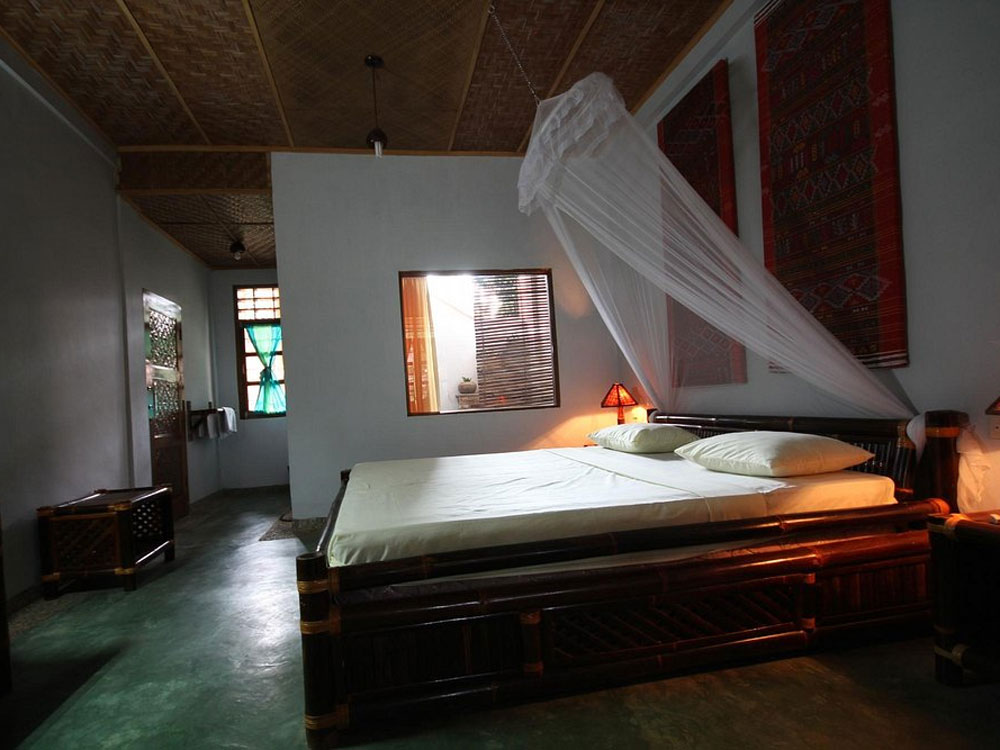
This simple ecolodge is well located with fantastic views over the Sungai Bohorok river. The 38 rooms are comfortable enough with mosquito nets over the bed, fans and en suite shower rooms. It is the perfect place to base yourself if you would like to embark on a trek to see the 5,000 orangutans and other wild creatures that inhabit the dense rainforest. The ecolodge also has a small and reasonably priced restaurant serving good Indonesian staple dishes such nasi goreng (fried rice), mie goreng (fried noodles) and gado-gado (steamed vegetables with a spicy peanut sauce).
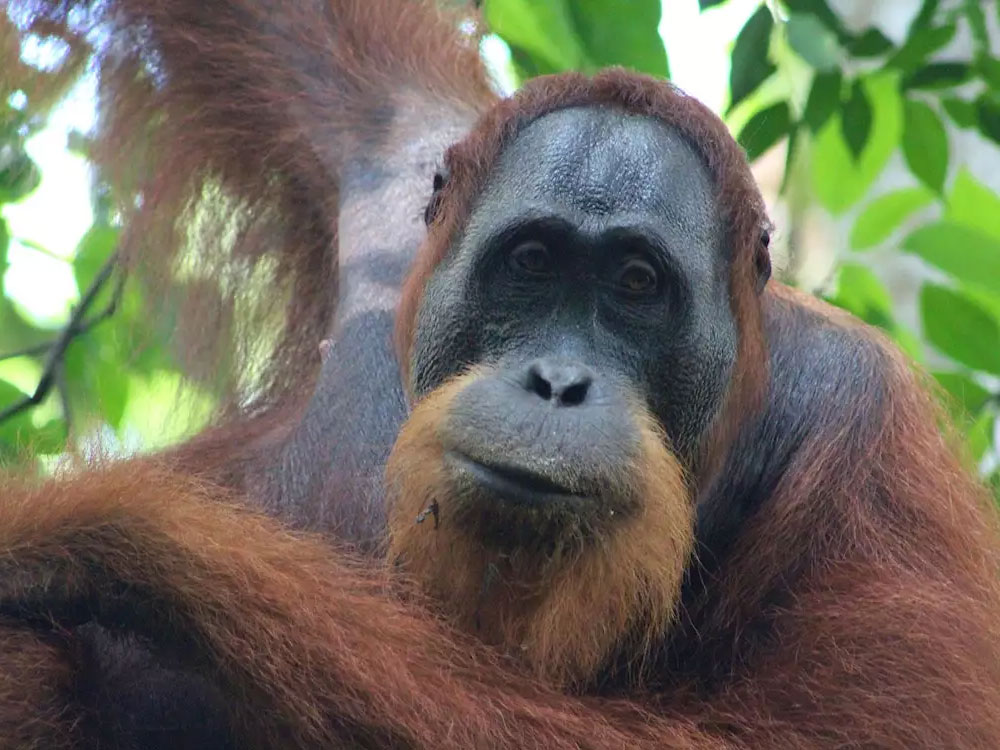
High Probability of seeing orangutan on Treks: Guided treks originating from Bukit Lawang boast an extremely high success rate (often cited around 85–90%+) for spotting Sumatran orangutans. During a 3-night stay, booking a half-day, full-day, or multi-day trek makes encounters virtually guaranteed.
This is a very simple lodge. Basic small accommodations with limited power...the electrics kept tripping out. No air-conditioning con and a fan in the wrong place but I have to say this was a great experience overall. Our guides were just amazing and went the extra mile for us. We saw 5 orangutans on day 1 and 8 on day 2 as well as lots of other wildlife. I did spray myself with bug spray but still got bitten and the leech socks did not completely protect me on a night walk...but would I do it again.. of course I would !!! It is in the jungle after all.
|
|
|
|
To get a larger photo, click on one of the thumbnails below
 |
 |
 |
 |
 |
 |
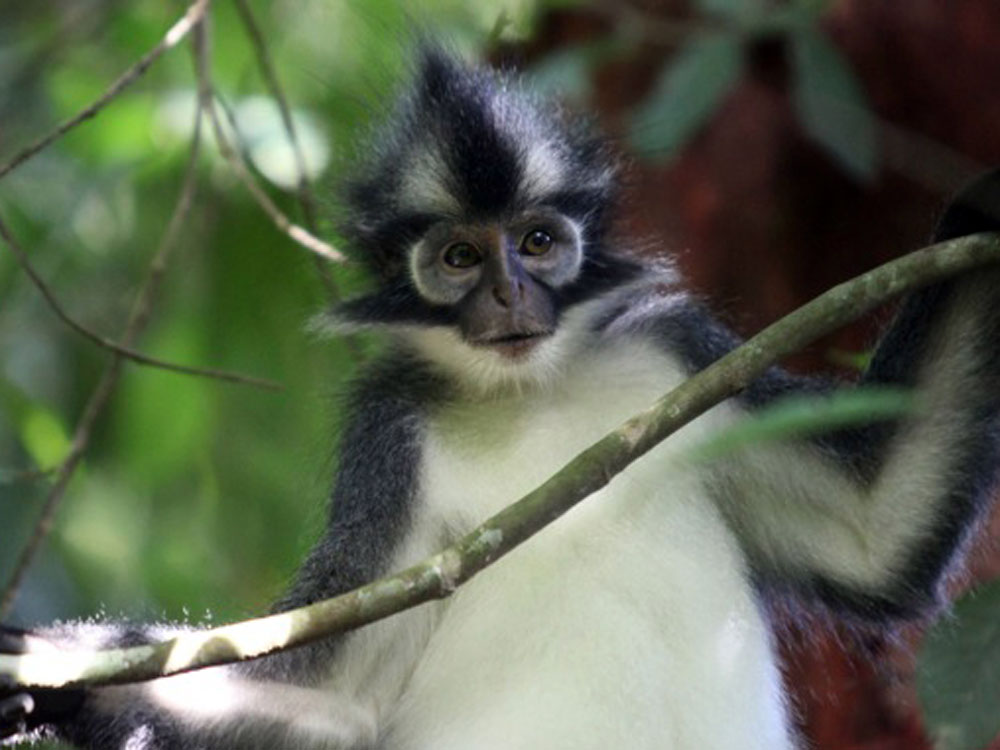
Thomas’s Leaf Monkeys (Funky Monkeys): Endemic to northern Sumatra. Recognizable by their grey-and-white fur, dark faces, and distinctive spiky mohawk-like crests. They are curious, highly active, and frequently spotted near trail boundaries.
Long-Tailed & Pig-Tailed Macaques: Highly common throughout the park trails and along the river margins. Pig-tailed macaques tend to be larger and ground-dwelling, while long-tailed macaques move in social groups through the lower canopy.
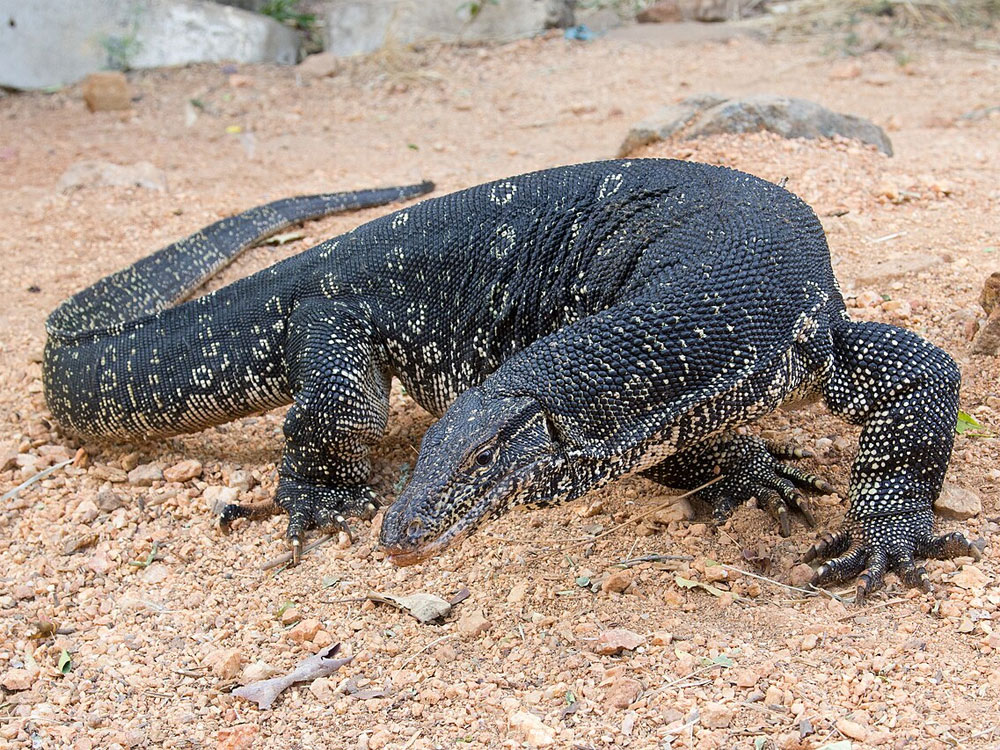
Monitor Lizards: Water monitor lizards (Varanus salvator) are regularly seen along the Bohorok River banks and near jungle stream crossings.
Gibbons and Siamangs: White-handed gibbons and black siamangs inhabit the upper canopy. While their loud, melodic vocal calls echo daily through the forest, spotting them requires patience due to their high speed and preference for high branches.
Hornbills: Several species, including the Rhinoceros Hornbill and Helmeted Hornbill, fly through the upper canopy. They are identifiable by their heavy wingbeats and distinct curved casques.
Tropical Reptiles & Insects: Green pit vipers, tree frogs, giant forest ants, and large butterfly species (such as the Atlas moth) are common along the forest floor and understory.
Malayan Sun Bears: Inhabit the deeper sections of the park. Hikers occasionally spot claw marks on tree trunks, though direct encounters are rare.
Sumatran Tigers, Elephants, and Rhinoceroses: Highly endangered large mammals reside deep within the park's protected core. They intentionally avoid human activity and are never encountered on standard 1- to 3-day tourist trekking routes out of Bukit Lawang.
To get a larger photo, click on one of the thumbnails below
To get a larger photo, click on one of the thumbnails below